The Ties that Bind us
Music has a wonderful ability to articulate utopias without needing words. That is why people speak, somewhat romantically, of music as the «universal language».
Programme
Kinan Azmeh (geb. 1976)
November 22 (Arr. KT)
Feld Sätze wenn es das benötigt
Interlude I (KT)
John Zorn (geb. 1953)
Ebuhuel (Arr. DK, KT)
Interlude I (KT)
John Zorn
Parzial (Arr. DK, KT)
Roberto Rodriguez (geb. 1968)
Shron (Arr. KT)
Interlude IV: traditionelle Xhosa Umrhubhe Bow Melodie, gespielt von Dizu Plaatjies
Dizu Plaatjies
Transkription für gestrichenes Klavier (KT)
Pause
Kathleen Tagg (geb. 1977)
Berimbau
Interlude V (KT, DK)
David Krakauer (geb. 1956)
Rattlin’ Down the Road
Interlude I (KT)
Rob Curto (1947–2006)
Demon Chopper (Arr. KT)
Interlude I (KT)
Emil Kroitor (geb. 1947)
Moldavian Voyage (Arr. DK, KT)
Der Geyser Bulgar (Traditionell, Arr. DK, KT)
Patrons


Supported by


Musicians
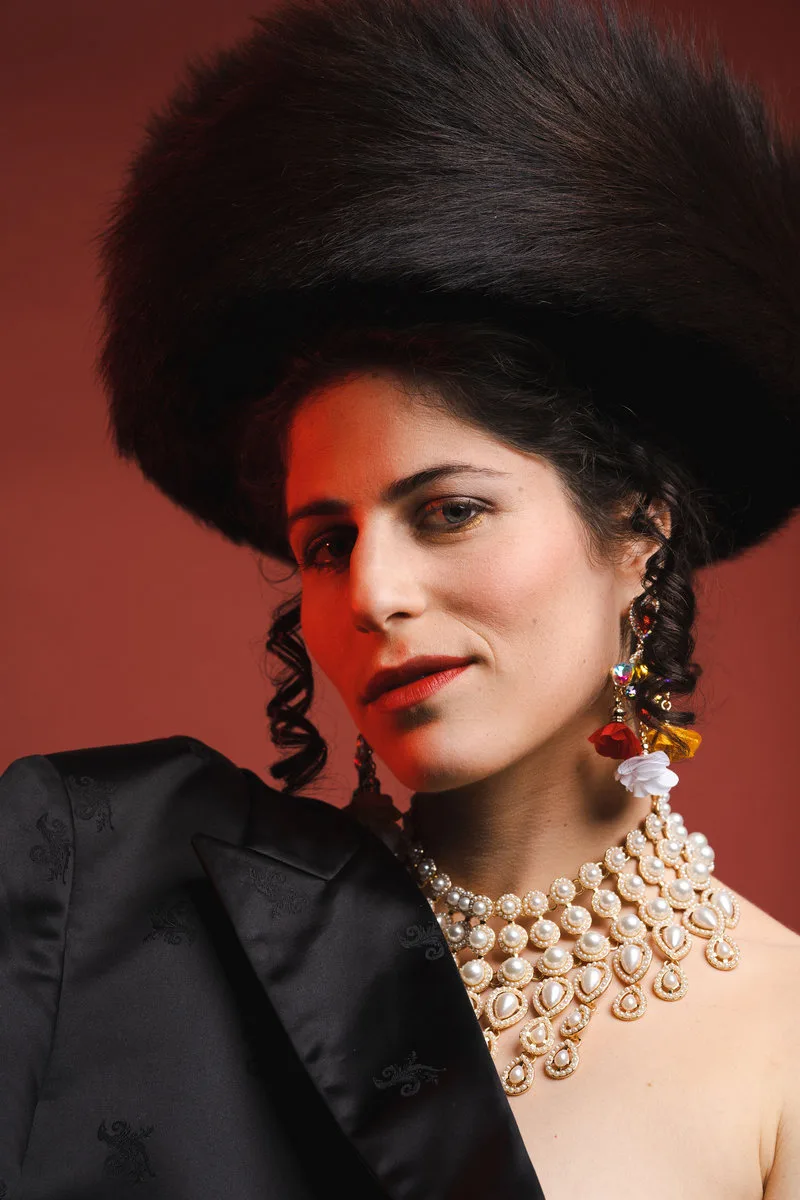
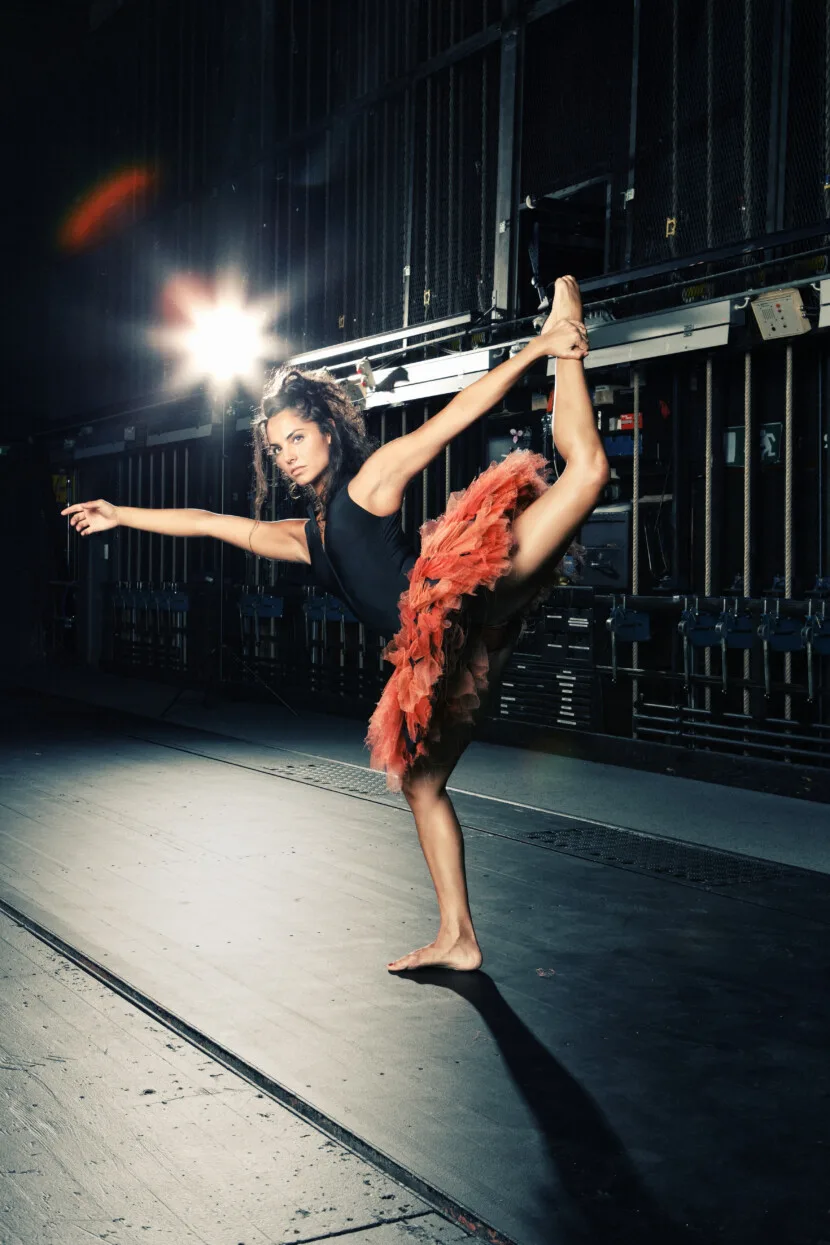
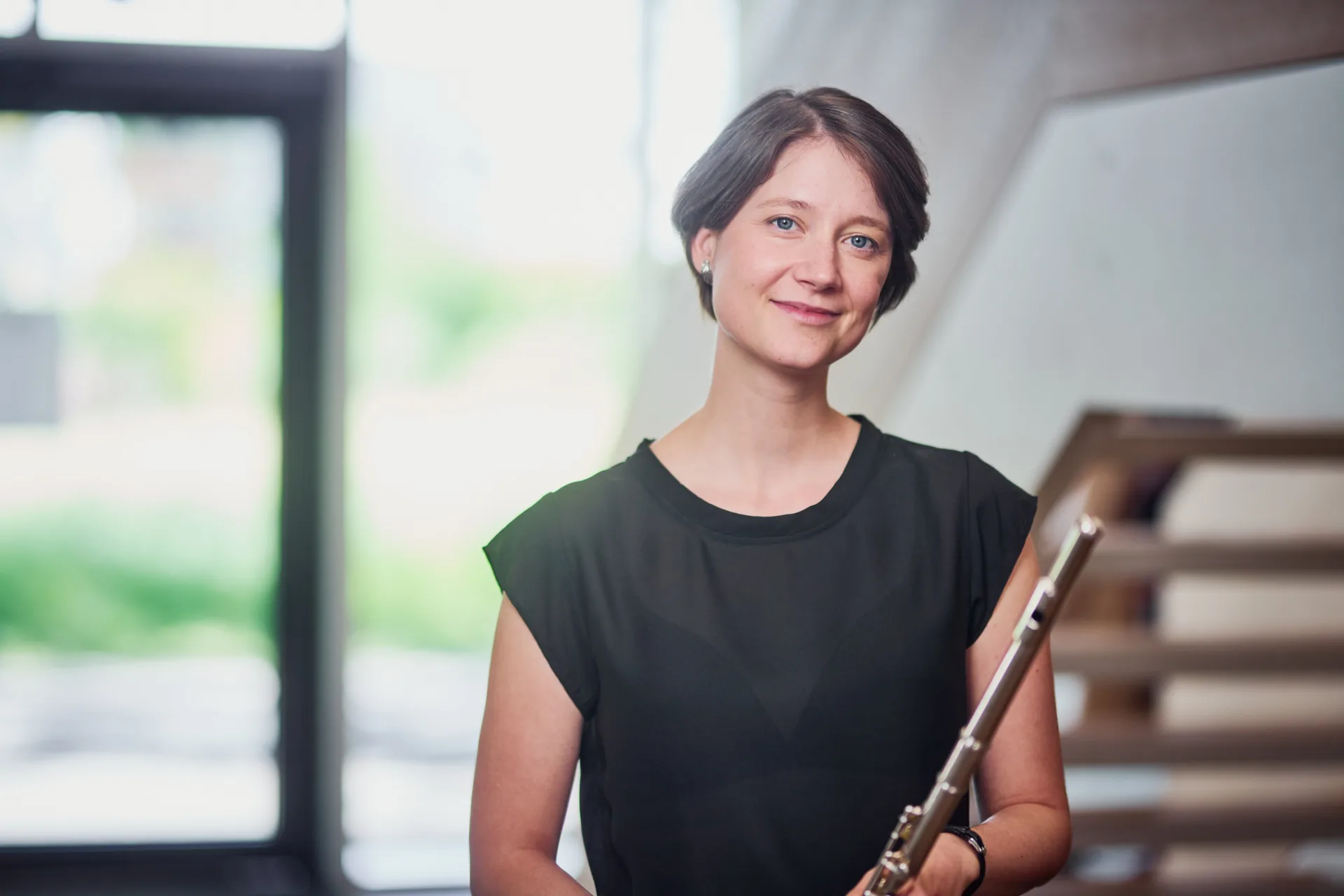
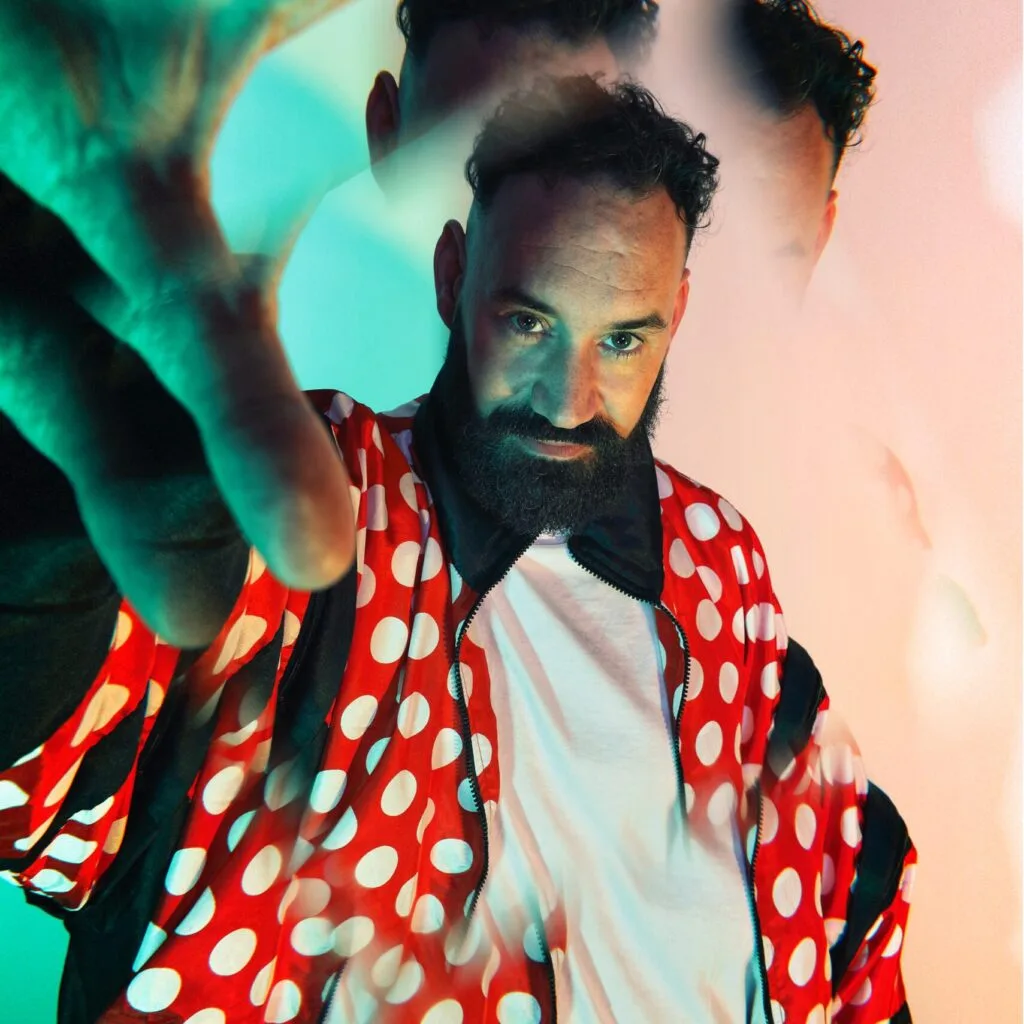
Programme notes
Music has a wonderful ability to articulate utopias without needing words. That is why people speak, somewhat romantically, of music as the «universal language». This also applies to the utopia — at times it was even reality — of allowing competing world religions to live together in harmony and dialogue. This is famously embodied by the city of Jerusalem, which unspoken forms the centre of this opening concert.
It begins with a piece by the Syrian clarinettist and composer Kinan Azmeh and ends with a reworked klezmer piece that David Krakauer and Kathleen Tagg developed together. With his work November 22, the Syrian Kinan Azmeh refers to the dangerous escalation of the situation in Syria in that month.
The American John Zorn, born in 1953, needs no introduction to jazz connoisseurs. His intellectually demanding musical style lies at the intersection of contemporary art music and jazz. Saxophone and clarinet are close relatives — so it is no surprise that Krakauer and Tagg have arranged several of Zorn's compositions for clarinet and piano.